

Within the fast-paced world of gaming and content creation, preserving your passion is important. Twitch has emerged as a prominent venue for streamers and audience alike, providing a dynamic space for creativity, engagement, and entertainment. However, with the transient nature of live broadcasting, many streaming artists face the dilemma of confronting the issue of how to effectively record, download, and store their valuable Twitch streams, VODs, clips, and highlights. Whether you're a casual gamer or a serious content creator, having a reliable method to record and store your material ensures that your efforts and memorable experiences are not lost to the internet abyss.
This manual will examine various ways to preserve your Twitch.tv video content across multiple platforms and systems. From recording live streams on Mac and PC to automatically saving clips automatically and utilizing video capture methods, we will investigate the optimal strategies and tools available for recording Twitch videos. Moreover, we will discuss the legal considerations of streaming and provide strategies for content preservation to help you manage your archives efficiently. Regardless of your level of experience, our suggestions on how to capture Twitch content will empower you to protect your streaming legacy for years to come.
Capturing Techniques for Twitch Streams
Regarding saving your streams, picking the appropriate approach to recording is important. The first option is using dedicated software for desktop recording, which provides a robust solution for securing high-quality streams. Applications like OBS Studio or XSplit allow for ample modification, letting you choose your resolution, data rate, and sound preferences. By employing these tools, you can make sure that your recordings maintain the fidelity and quality necessary for long-term storage, making them suitable for later editing or broadcasting.
A different method is to utilize browser-based recording tools, which are handy for users who opt not to acquire more software. These tools can often capture video directly from your web browser while you stream. Platforms like Streamlabs OBS or features offered by Twitch can help in saving automatically your VODs or recorded segments after your stream ends. Though browser-based options may offer minimal customization than software for desktops, they streamline the procedure of capturing streams on Twitch and enable quick retrieval to your saved content.
For mobile users, there are specific applications designed to capture streams on Twitch on the go. Apps like StreamRecorder web app or DU Recorder app allow players to record gameplay and commentary effortlessly from their smartphones. This is particularly useful for individuals who broadcast or watch on mobile platforms. Recording on mobile offers convenience, as you can archive streams whenever and anywhere, guaranteeing that your gaming experiences are always saved and retrievable for future use.
Acquiring and Storing VODs
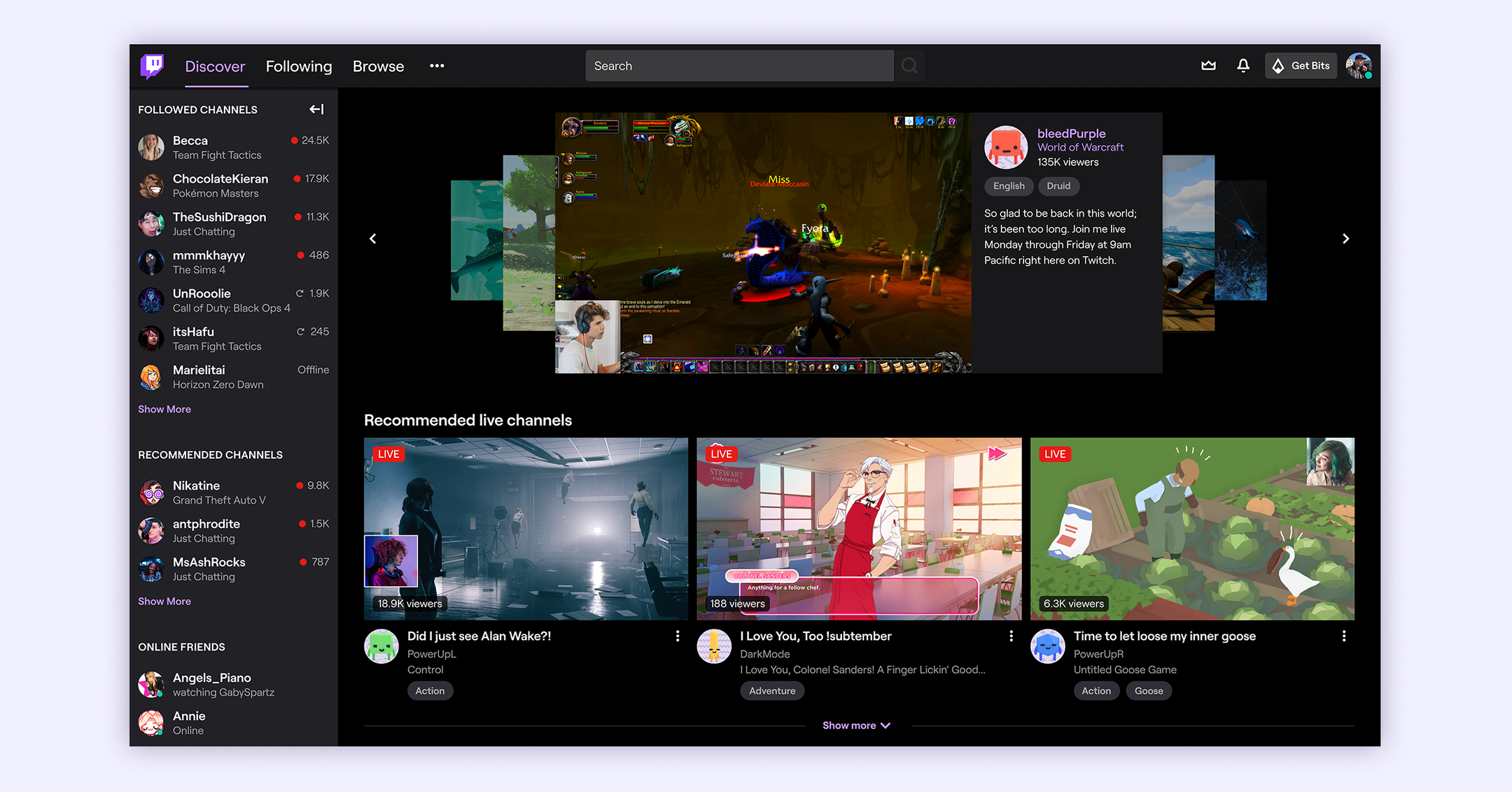
To effectively retrieve and store Twitch VODs, begin by making sure you have a reliable Twitch video recorder or downloader. There are numerous tools available that enable you to save Twitch VODs straight to your system. Be sure to choose a solution that provides high-quality recordings and is compatible with your operating system, whether you are using macOS or Windows. The process is usually straightforward: enter the URL of the VOD you desire to get, choose your desired video format, and start the process.
For those seeking to store a considerable number of Twitch VODs, consider bulk download options. Some software can facilitate the acquisition process, enabling you to pick multiple videos at once and organize their storage efficiently. This is particularly useful for streamers who want to keep their entire catalog of content without manually downloading each one. Make sure you have sufficient storage available, as high-quality VODs can take up significant space.
Once you have your VODs downloaded, organization is essential for long-term storage. Develop a file structure that categorizes your videos by date, title, or content type, which will make it more convenient to access and edit them in the event to come. Additionally, be mindful of audio and video quality settings when downloading to keep the integrity of your content. With these tactics, you can ensure your Twitch VODs are archived safely and accessed whenever necessary.
Best Methods for Content Storage
To successfully preserve your Twitch content, it is important to create a consistent recording and saving routine. Regularly record your live streams and capture VODs, clips, and highlights immediately after your broadcasts. Download Twitch VODs quickly free ensures that you do not lose the chance to save important content that can be leveraged for future reference or promotional purposes. Set notifications to regularly check your recordings to avoid any unforeseen losses and keep your content organized.
When it comes to saving Twitch streams, consider using various formats and resolutions to ensure satisfactory playback across different devices. Maintain superior audio and video quality by tweaking the bitrate according to your storage capacity and the audience's needs. Use software that allows mass downloading and automated recording processes to streamline your content archiving efforts. This way, you will save time and reduce the risk of forgetting to capture crucial moments from your streams.
Lastly, store your recorded content in a structured manner, utilizing cloud storage or external hard drives for extended preservation. Implement a systematic naming convention and sort your files based on dates, types, or events. This will make it easier to locate specific highlights or VODs when needed. Additionally, familiarize yourself with legal aspects to ensure compliance with copyright and fair use guidelines, which can help protect your recordings and promote responsible content sharing.
Legal Aspects for Twitch Streams
When archiving Twitch broadcasts, it is crucial to understand the law surrounding the content you capture. Streamers on Twitch retain copyright over their content they create, which means that just because you record or download their streams, you do not automatically gain rights to utilize or share them without permission. It is critical to acknowledge the intellectual property of content creators and to abide by Twitch's user agreement and community guidelines.
Fair usage is a consideration when using recorded content, but it can be a nuanced area of law. Archiving for individual use usually falls under fair use; however, using these recordings for profit or public distribution poses major legal risks. To minimize potential issues, always seek permission from the content creator if you wish to use their content in any way that goes beyond personal viewing. Understanding these parameters will help you navigate potential pitfalls while still watching your preferred streams.
Moreover, as you delve into the technical aspects of recording and archiving, be cognizant of the storage solutions you employ. Storing your archived content safe from infringement claims is equally important to ensuring that it is systematically organized and easy to access. Whether you choose cloud storage or local drives, make sure that your systems are compliant with copyright laws and that you have the appropriate permissions to store and manage the content you accumulate.
Editing and Organizing Captured Footage
Once you've captured your live stream footage, the subsequent action is to enhance and sort your recordings for quick retrieval and optimal viewing. Begin by using editing software that matches your level of skill, from simple tools for cutting and trimming to advanced programs for advanced edits. Concentrate on enhancing audio and video quality while confirming that any unnecessary segments are eliminated, keeping the best moments that showcase your work.
Systematization is crucial to managing your filmed material successfully. Create a well-organized file system on your computer or cloud storage that categorizes videos by date, game, or type, to make it simpler to retrieve particular streams, highlights, or clips. Use informative file names for your files to further streamline your archiving process. This systematization not only helps in quick retrieval but also provides the foundation for steady production and helps in the long-term storage of your streams.
In addition, reflect on the different formats for saving your videos and the effect on file size and quality. Select video formats that combine high-quality output with reasonable sizes, which makes storage and distribution simpler. From time to time, revisiting older content to revise or compile highlights can present your past work to fresh viewers, aiding channel growth. By establishing an effective editing and arranging system, you ensure that your Twitch content is kept available and preserved for future viewing.